

PRK / ASLA
PRK (Photorefractive Keratectomy), also known as ASLA, is a well-established form of laser vision correction that reshapes the surface of the cornea to improve visual focus.While newer techniques have evolved, PRK remains an important and highly effective option - particularly for patients where a surface-based approach offers greater safety or long-term stability.
What Is PRK / ASLA?
PRK works by gently removing the outermost layer of the cornea (the epithelium) and reshaping the underlying tissue using an excimer laser. This allows light entering the eye to focus more precisely on the retina, improving clarity of vision.
Unlike LASIK, no corneal flap is created. Instead, the surface layer regenerates naturally over the days following treatment. This makes PRK structurally conservative and particularly suitable in certain clinical situations.
It is used to treat:
- Myopia (short-sightedness)
- Hyperopia (long-sightedness)
- Astigmatism (irregular curvature of the cornea)
Unlike LASIK, PRK does not involve creating a corneal flap. Instead, the surface layer naturally regenerates following treatment.
Suitability
PRK is often recommended where preserving corneal strength is a priority.
This may include patients with thinner corneas, subtle irregularities in corneal shape, or those whose lifestyle or occupation places higher demands on the eye.
A detailed assessment allows us to determine whether PRK, LASIK or another procedure offers the most appropriate balance of safety, predictability and visual outcome.
The Procedure
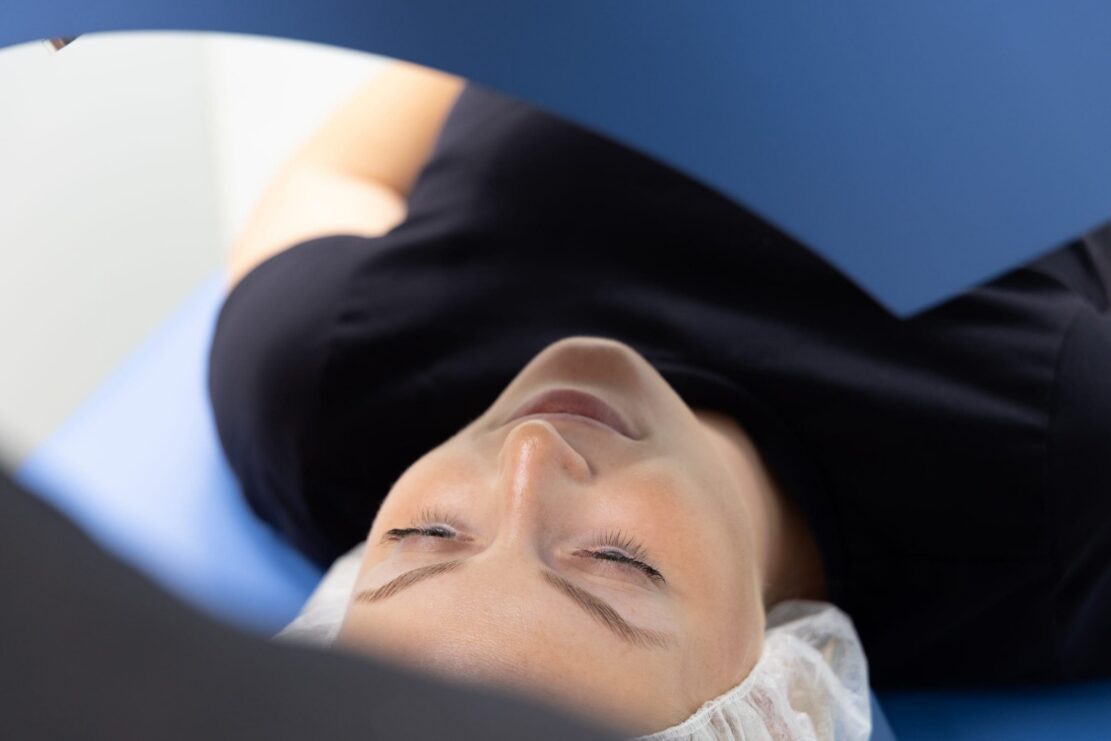
PRK is performed using numbing eye drops in a controlled surgical environment.
The treatment itself is precise and efficient, with the laser reshaping the cornea in a matter of seconds. A protective contact lens is then placed on the eye to support healing of the surface layer.
While the procedure is quick, careful planning and execution are essential to achieving a stable and high-quality visual result.
Recovery & Aftercare
Recovery following PRK is more gradual than LASIK, as the surface layer of the cornea needs time to regenerate.
Patients typically experience a few days of discomfort, along with light sensitivity and blurred vision in the early stages. Vision improves progressively over one to two weeks, with continued refinement over the following weeks.
Supportive medications and close follow-up ensure that healing progresses smoothly and comfortably.
Outcomes
PRK delivers excellent long-term visual outcomes, comparable to LASIK. For appropriately selected patients, it offers a safe, reliable and durable solution to vision correction.