

Cataracts
A cataract is a clouding of the natural lens inside the eye. As the lens becomes cloudy, it prevents light from passing clearly to the retina, resulting in blurred or dulled vision.What are Cataracts?
A cataract is a clouding of the natural lens inside the eye. As the lens becomes cloudy, it prevents light from passing clearly to the retina, resulting in blurred or dulled vision.
Cataracts most commonly develop as part of the natural ageing process. Around half of Australians aged 65–74 are affected. While they typically occur in people over 60, cataracts can also develop earlier due to injury, medical conditions, medication use or genetic factors.
Cataracts usually progress gradually over time. As they advance, vision continues to decline, making everyday tasks increasingly difficult.
If your GP or optometrist suspects a cataract, you will be referred to an ophthalmologist for a comprehensive assessment and discussion of treatment options.
Symptoms
Cataracts can present in different ways and may progress at varying rates.
Common symptoms include:
- Cloudy or foggy vision
- Blurred or distorted sight
- Faded or altered colour perception
- Increased glare or halos around lights
- Difficulty with night vision, particularly from headlights
- Frequent changes in glasses prescription
- Reduced contrast sensitivity
- Double vision
- Light sensitivity
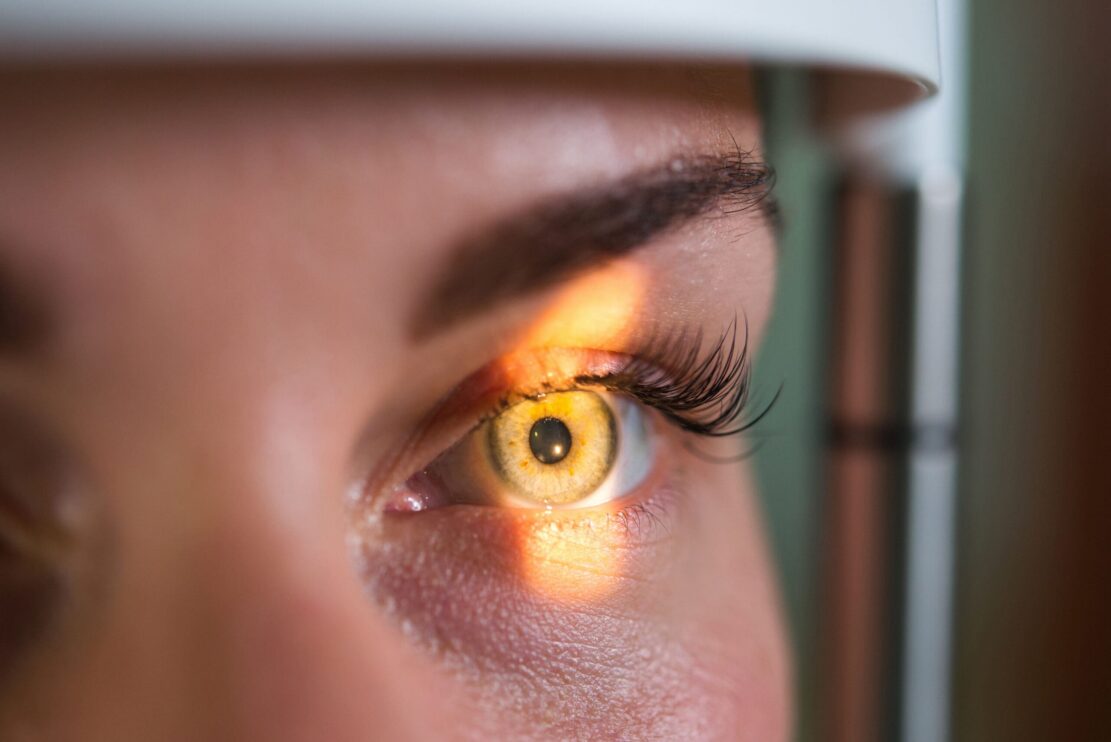
- A white or milky appearance in the pupil (in advanced cases)
Cataracts may be age-related or associated with factors such as diabetes, eye injury, prolonged steroid use, UV exposure, smoking or heavy alcohol consumption.
Next Steps For Cataracts
If cataracts are affecting your quality of life, the next step is a specialist consultation. We will assess the extent of the cataract, understand your visual needs and lifestyle, and determine whether surgery is appropriate.
Cataracts cannot be reversed with medication, diet, glasses or exercises. Surgery is the only effective treatment.
Assessment & Diagnosis
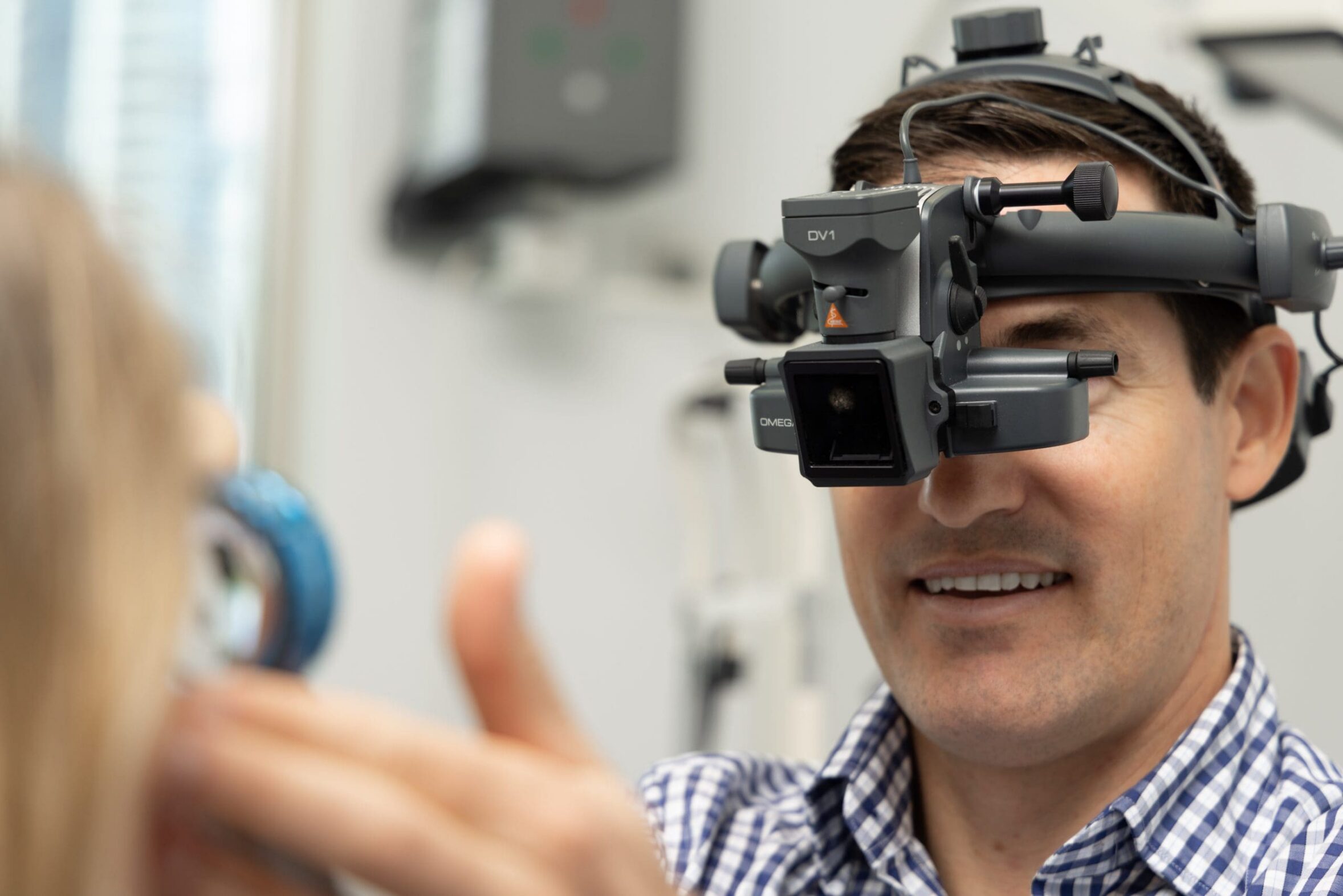
Your ophthalmologist will perform a detailed examination of your eyes, including vision testing and imaging of the lens and retina. This allows us to confirm the diagnosis, assess the severity of the cataract, and rule out other conditions that may affect your vision.
Cataract Surgery
Cataract surgery involves removing the clouded natural lens and replacing it with a clear artificial intraocular lens (IOL).
The procedure is typically performed under local anaesthetic in a day surgery setting and takes approximately 30 minutes.
Recovery & Aftercare
Cataract surgery is performed as a day procedure. You will need someone to drive you home.
Vision typically improves quickly, although full stabilisation may take several weeks. We provide clear guidance throughout your recovery to ensure a smooth and confident return to daily life.