

Cataract Surgery
Cataract surgery is a highly effective procedure designed to restore clear vision by removing the eye’s natural lens once it has become cloudy.It is one of the most commonly performed and successful surgical procedures worldwide, with excellent safety and visual outcomes for the vast majority of patients.
What Is Cataract Surgery?
Cataract surgery involves removing the natural lens of the eye that has become clouded and replacing it with a clear artificial intraocular lens (IOL).
As cataracts develop, vision may become blurred, dull or increasingly affected by glare. Surgery restores the pathway of light into the eye, allowing vision to return to a clearer, more natural state.
Cataracts cannot be treated with medication, glasses or lifestyle changes – surgery is the only effective treatment.
Lens Options
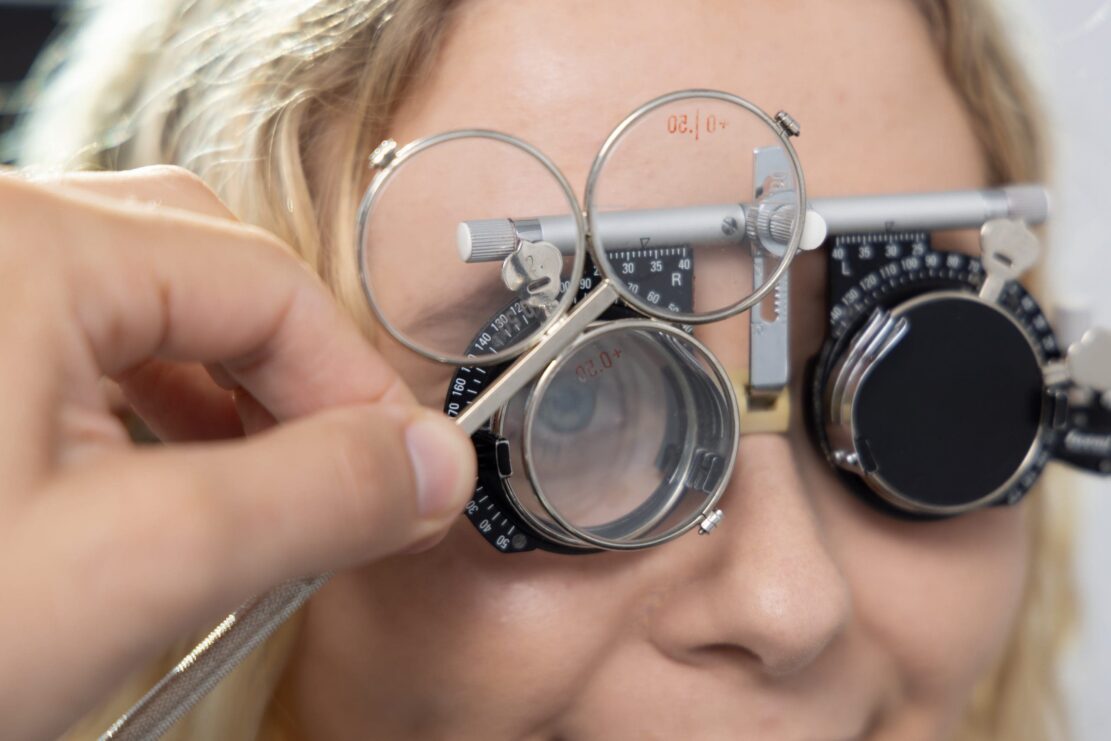
A key part of cataract surgery is selecting the most appropriate intraocular lens based on your visual needs and lifestyle.
Monofocal Lenses
Designed to provide clear vision at a single focal point, most commonly for distance. Near vision may still require glasses, or monovision can be used to reduce dependence.
Multifocal & Extended Depth of Focus (EDOF) Lenses
These advanced lenses provide a broader range of vision, allowing for both distance and near focus. Many patients experience reduced reliance on reading glasses.
Laser-Assisted Cataract Surgery
Laser technology can be used during key steps of the procedure, offering an additional level of precision for suitable patients.
Your surgeon will guide you through these options to ensure the most appropriate choice for your eyes and lifestyle.
Next Steps
If cataracts are affecting your vision or quality of life, a consultation will determine whether surgery is appropriate. We assess not only the severity of the cataract, but also your visual goals – whether that’s clearer distance vision, reduced reliance on glasses, or greater visual freedom in daily activities.
The Procedure
Cataract surgery is typically performed:
- As a day procedure
- Under local anaesthetic
- In approximately 20–30 minutes per eye
The procedure is carefully controlled and designed to maximise both safety and visual accuracy.
Recovery & Aftercare
Cataract surgery recovery is generally straightforward.
Following the procedure:
- You will need someone to drive you home
- Prescribed eye drops are used to prevent infection and support healing
- Your first follow-up appointment is typically the next day
- Most patients return to normal activities within a short period
Vision often improves quickly, with continued refinement over the following weeks.
More than 95% of patients experience significant improvement in vision following cataract surgery.