



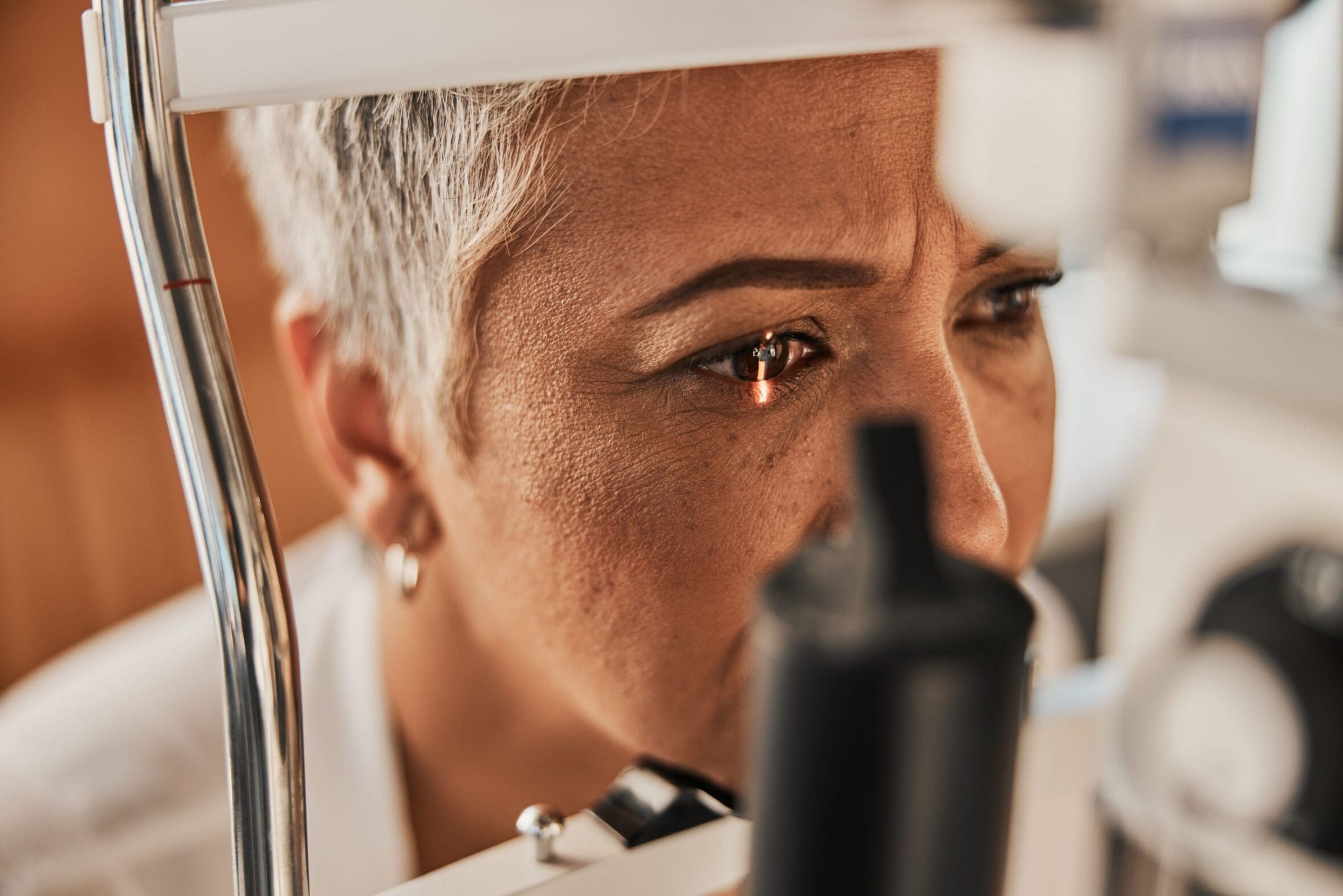
Corneal Cross-Linking: Strengthening Vision and Stopping Keratoconus Progression
Corneal cross-linking (CXL) is a highly effective, minimally invasive procedure designed to strengthen the cornea and halt the progression of keratoconus. For patients experiencing changes in vision due to corneal thinning, this treatment offers a proven way to preserve eyesight and maintain long-term visual stability.
What Is Keratoconus?
Keratoconus is a progressive eye condition in which the cornea—the clear, dome-shaped front surface of the eye—gradually thins and bulges into a cone shape.
As the cornea loses its normal structure, it can no longer focus light properly, leading to:
- Blurred or distorted vision
- Increased sensitivity to light
- Frequent changes in glasses or contact lens prescriptions
Keratoconus often develops in adolescence or early adulthood and can worsen over time if left untreated.
What Is Corneal Cross-Linking (CXL)?
Corneal cross-linking is a clinically proven treatment for keratoconus that works by strengthening the structural integrity of the cornea.
The procedure uses a combination of riboflavin (vitamin B2) eye drops and ultraviolet (UV) light to create new bonds—known as “cross-links”—between collagen fibres in the cornea. These additional bonds increase the cornea’s rigidity, helping it maintain its shape and resist further distortion.
In simple terms, corneal cross-linking acts as a stabilising treatment, preventing keratoconus from progressing.
How Does the Procedure Work?
Corneal cross-linking is a straightforward and well-tolerated procedure.
- Numbing eye drops are applied to ensure comfort
- Riboflavin drops are placed onto the cornea and allowed to absorb
- A controlled UV light is applied for approximately 30 minutes
The procedure is performed in a clinical setting and does not involve general anaesthesia. Most patients find it comfortable and manageable.
Recovery After Corneal Cross-Linking
Following treatment, it is normal to experience:
- Mild discomfort
- Light sensitivity
- Temporary blurred vision
These symptoms are typically short-lived and improve over several days. Your ophthalmologist will prescribe eye drops and may recommend protective measures such as sunglasses during the healing period.
Full visual stabilisation occurs over time, with regular follow-up appointments to monitor progress.
Key Benefits of Corneal Cross-Linking
Corneal cross-linking is widely regarded as the gold standard treatment for halting keratoconus progression.
- Stops Disease Progression
The primary goal of CXL is to stabilise the cornea and prevent further deterioration.
- Preserves Vision
By strengthening the cornea, the procedure helps maintain your existing level of vision and reduces the risk of significant visual loss.
- Improves Prescription Stability
Patients often notice that their glasses or contact lens prescription becomes more stable following treatment.
- Reduces the Need for Future Surgery
Early intervention with corneal cross-linking may help avoid more invasive procedures, such as corneal transplantation.
When Should You Consider Corneal Cross-Linking?
Early diagnosis and treatment are critical in keratoconus management. If you have been diagnosed with keratoconus or are experiencing rapid changes in your vision, corneal cross-linking should be considered promptly.
Timely intervention allows us to preserve vision and prevent long-term complications.
Final Thoughts
Corneal cross-linking is a safe, effective, and evidence-based treatment that plays a crucial role in managing keratoconus. By reinforcing the cornea and halting disease progression, it helps patients maintain clear, stable vision over time.
If you are concerned about changes in your vision or have been diagnosed with keratoconus, a specialist consultation is the first step. With the right care, we can protect your vision and support long-term eye health.