
Entropion & Ectropion
Entropion and ectropion are conditions where the eyelid turns inward or outward, causing irritation, watering and potential damage to the eye surface. Treatment ranges from lubricating drops to surgical correction, depending on severity.Entropion and ectropion are conditions affecting the position of the eyelid. When the eyelid turns inward or outward, it can disrupt the normal protection and lubrication of the eye, leading to irritation, discomfort and, in some cases, damage to the eye surface.
While these conditions are more common with age, early assessment and appropriate treatment can prevent long-term complications and preserve eye health.
What Is Entropion & Ectropion?
Ectropion occurs when the eyelid turns outward, exposing the inner surface of the eyelid (conjunctiva) to the air. It most commonly affects the lower eyelid. This can interfere with normal tear distribution, leading to dryness, irritation and excessive tearing.
Entropion occurs when the eyelid turns inward, causing the eyelashes and skin to rub against the surface of the eye. This constant friction can irritate the cornea and, if untreated, may lead to scarring or infection.
Both conditions are most commonly seen in older adults due to natural loosening of the eyelid tissues. They may also be associated with:
- Nerve damage affecting eyelid muscles
- Sun-related skin changes
- Previous surgery or trauma
- Inflammation or scarring of the eyelid
- Skin conditions or, less commonly, underlying disease
In children, a related condition known as epiblepharon can cause inward turning of the lashes.

Symptoms
Symptoms vary depending on the condition but may include:
Ectropion:
- Watery eyes
- Mucus discharge
- Redness and irritation
- Gritty or dry sensation
- Blurred vision
- Recurrent conjunctivitis
Entropion:
- A gritty or scratchy sensation
- Redness and irritation
- Excessive tearing
- Sensitivity to light
- Pain or discomfort from lashes rubbing on the eye
In early stages, symptoms of entropion may be intermittent as the eyelid may move in and out of position.
Next Steps
If you experience ongoing irritation, watering or discomfort around the eyelids, an assessment can determine whether eyelid malposition is the underlying cause. Early diagnosis allows for appropriate management and helps prevent damage to the surface of the eye.
Assessment & Diagnosis
Evaluation involves:
- Examination of eyelid position and structure
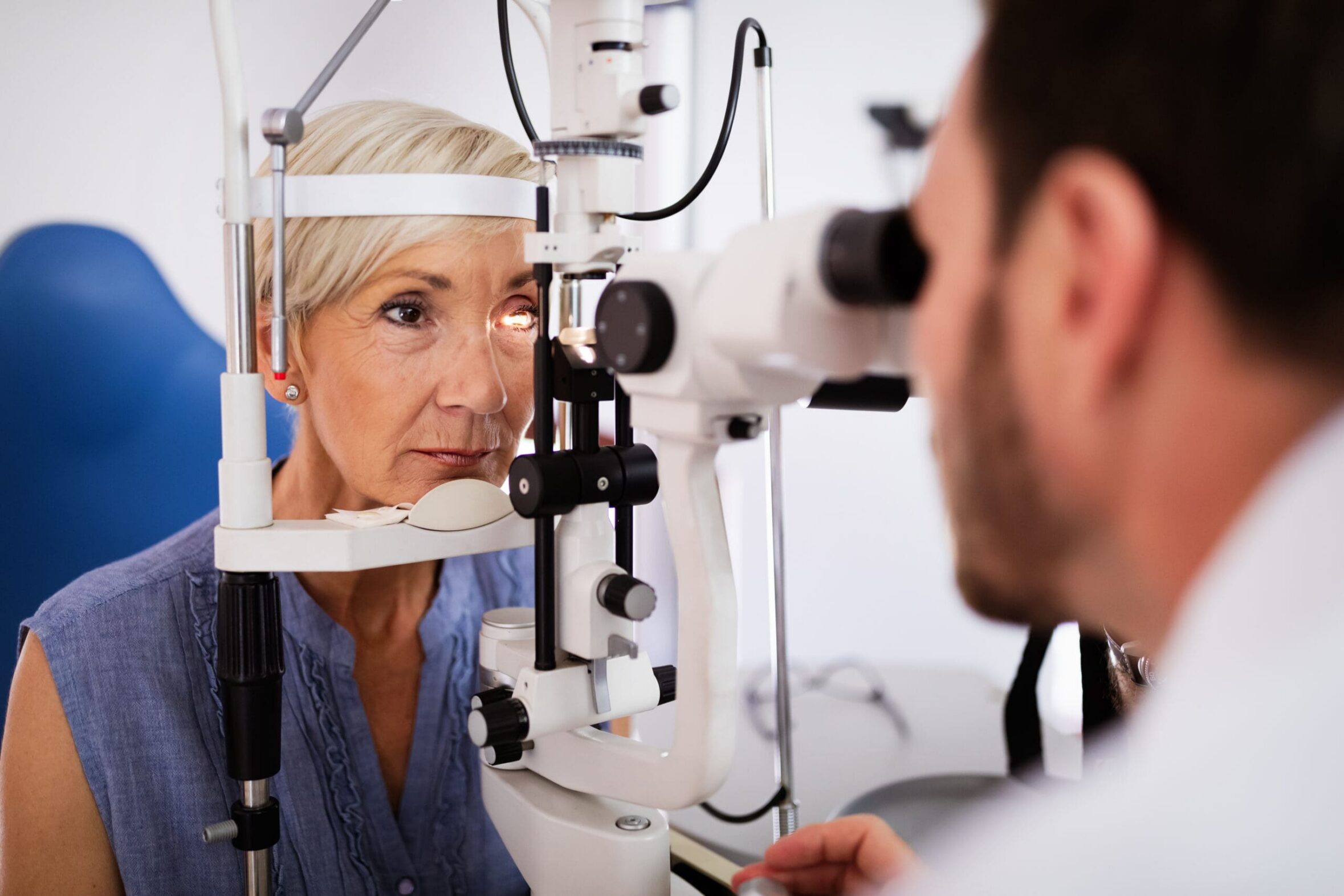
- Assessment of the ocular surface
- Evaluation of tear function
- Identification of any corneal damage
Regular monitoring may be recommended, particularly in early or mild cases.
Treatments
Treatment depends on the severity of symptoms and the impact on the eye surface.
Lubricants & Conservative Management
Lubricating eye drops or ointments may be used to reduce irritation and protect the eye surface in mild cases.
Ongoing review is important to monitor for any signs of corneal damage.
Surgical Correction
Surgical repair is often recommended for more significant or persistent cases.
- Performed under local anaesthetic with sedation
- Conducted as a day procedure
- Aims to restore normal eyelid position and function
Surgery is particularly important when there is risk of infection, scarring or vision loss.
Recovery & Aftercare
Following eyelid surgery:
- Mild swelling or bruising may occur temporarily
- Eye drops or ointments are prescribed to support healing
- Follow-up appointments monitor recovery and eyelid position
With appropriate treatment, both entropion and ectropion can be effectively corrected, restoring comfort and protecting long-term eye health.