

Blurred or Reduced Vision
Blurred or reduced vision can result from a simple refractive error or an underlying eye condition. A comprehensive examination is essential to determine the cause and guide appropriate treatment.Blurred or reduced vision is one of the most common reasons people seek an eye examination. While often caused by a simple refractive error, it can also indicate an underlying eye condition that requires medical attention.
Clear vision depends on both accurate focusing and healthy eye structures. When either is affected, vision may become less sharp, distorted, dimmer or patchy.
The key is determining the cause.
What Causes Blurred or Reduced Vision?
Refractive errors are common and can usually be corrected with glasses, contact lenses or surgical procedures.
In many cases, blurred vision is due to a refractive error – a focusing issue that prevents light from landing precisely on the retina. These include:
- Myopia (short-sightedness) – blurred distance vision
- Hyperopia (long-sightedness) – difficulty with near focus
- Astigmatism – distorted or shadowed vision at any distance
- Presbyopia – age-related near vision decline
However, reduced vision is not always a simple focusing issue. It may also be caused by medical conditions affecting the lens, retina or optic nerve, including:
- Cataracts – clouding of the natural lens
- Macular Degeneration (AMD) – damage to central vision
- Glaucoma – optic nerve damage, often affecting peripheral vision first
- Diabetic eye disease – retinal damage related to diabetes
- Retinal tears or detachments
- Inflammatory or vascular eye conditions
Because the causes vary significantly, a comprehensive examination is essential before determining treatment.
Symptoms
Blurred or reduced vision may present as:
- Difficulty reading or recognising faces
- Trouble seeing road signs clearly
- Distortion, waviness or shadowing of images
- Dim or faded colours
- Reduced contrast or clarity
- Dark patches or gaps in vision
- Increased glare or light sensitivity
Sudden vision loss, flashing lights, a curtain-like shadow, or severe pain should be treated as urgent and assessed immediately.
Next Steps
If you are experiencing changes in vision – whether gradual or sudden – a comprehensive eye examination is recommended.
Assessment
Assessment typically includes:
- Detailed visual acuity testing
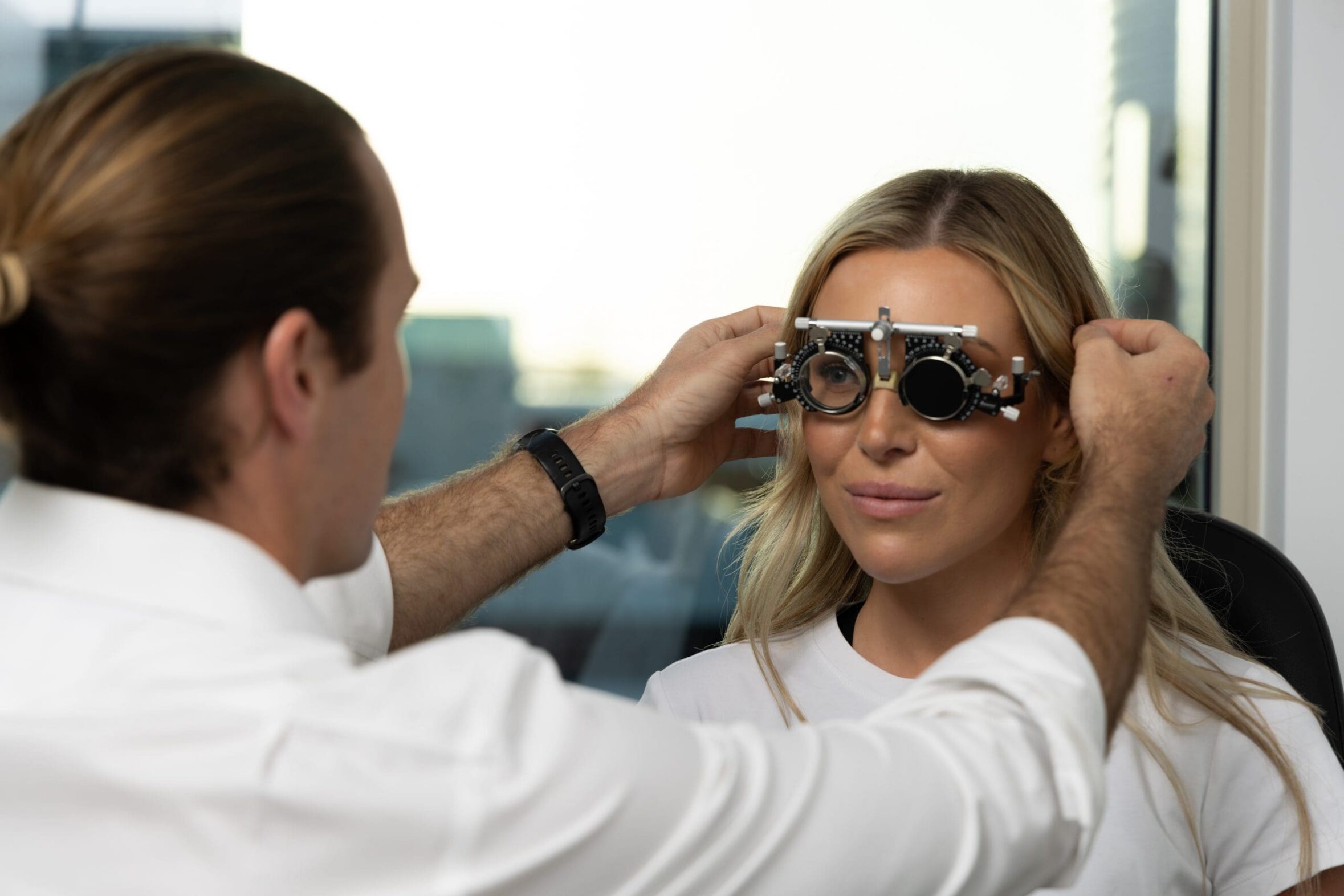
- Refraction to assess focusing errors
- Examination of the cornea and natural lens
- Retinal and optic nerve evaluation
- Advanced imaging where indicated
This allows us to identify whether vision changes are refractive, age-related or due to an underlying medical condition.
Early diagnosis provides the greatest opportunity to preserve and optimise vision.
Vision Correction Surgery
When blurred vision is caused by refractive error, vision correction surgery may offer a long-term solution.
These procedures use laser technology or lens implants to precisely adjust how light focuses within the eye. They can treat:
- Myopia (short-sightedness)
- Hyperopia (long-sightedness)
- Astigmatism
- Presbyopia
Depending on suitability, options may include:
- Laser eye surgery (SMILE, LASIK, PRK/ASLA)
- Implantable Contact Lens (ICL)
- Refractive Lens Exchange (RLE)
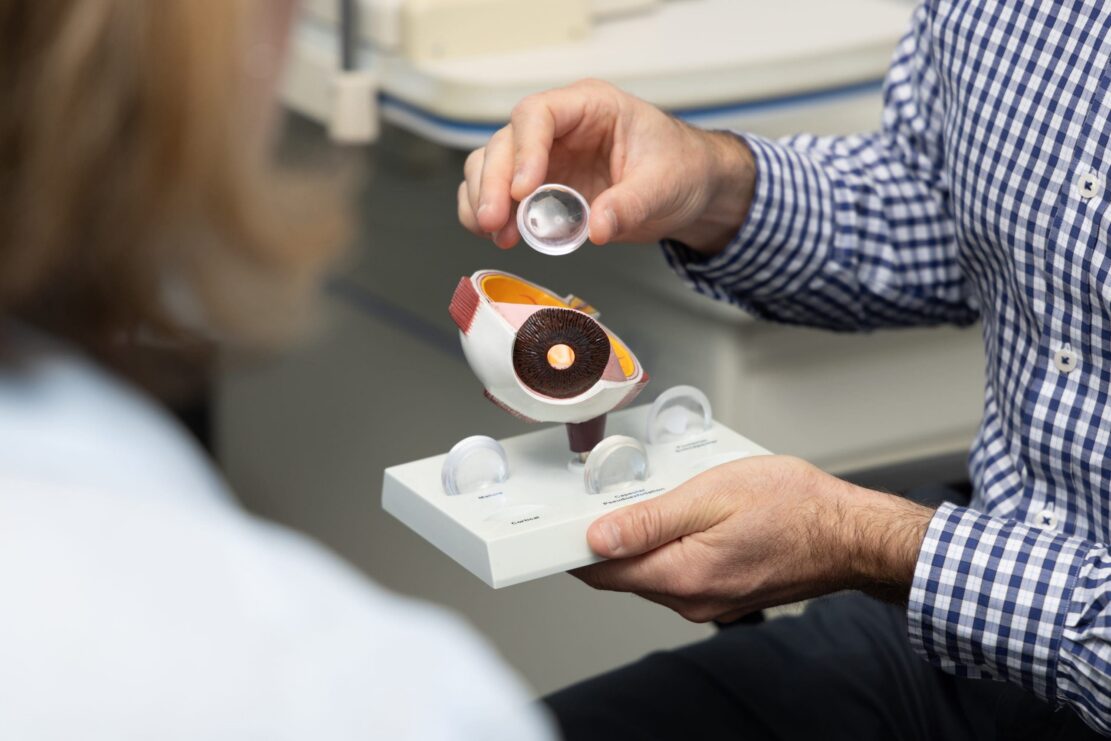
- Cataract surgery with advanced intraocular lenses
These treatments are designed to reduce – and often eliminate – dependence on glasses or contact lenses, while maintaining high standards of safety and visual quality.
Recovery & Aftercare
Recovery varies depending on the underlying cause and treatment performed.
For refractive procedures, most patients return to normal activities within days, with vision stabilising over several weeks.
For medical conditions such as cataract, glaucoma or macular disease, ongoing monitoring may be required to maintain long-term visual health.
Our approach is measured and thorough – identifying the cause, recommending appropriate treatment, and supporting your vision over time.